AC Not Cooling Your Home? Here’s How to Diagnose the Problem Before Calling a Lehigh Valley Technician
When the temperature climbs in Allentown, a non-cooling AC is more than a nuisance—it’s a deadline. This practical, locally focused guide walks homeowners through safe DIY checks and clear signs that separate simple maintenance from problems that require a licensed pro. By the end, you'll know exactly what to check, what information to gather for a technician, and when to call Lehigh Valley HVAC Pros for trusted ac repair allentown pa service.
1. Safety First: Power, Breakers, and Thermostat Checks
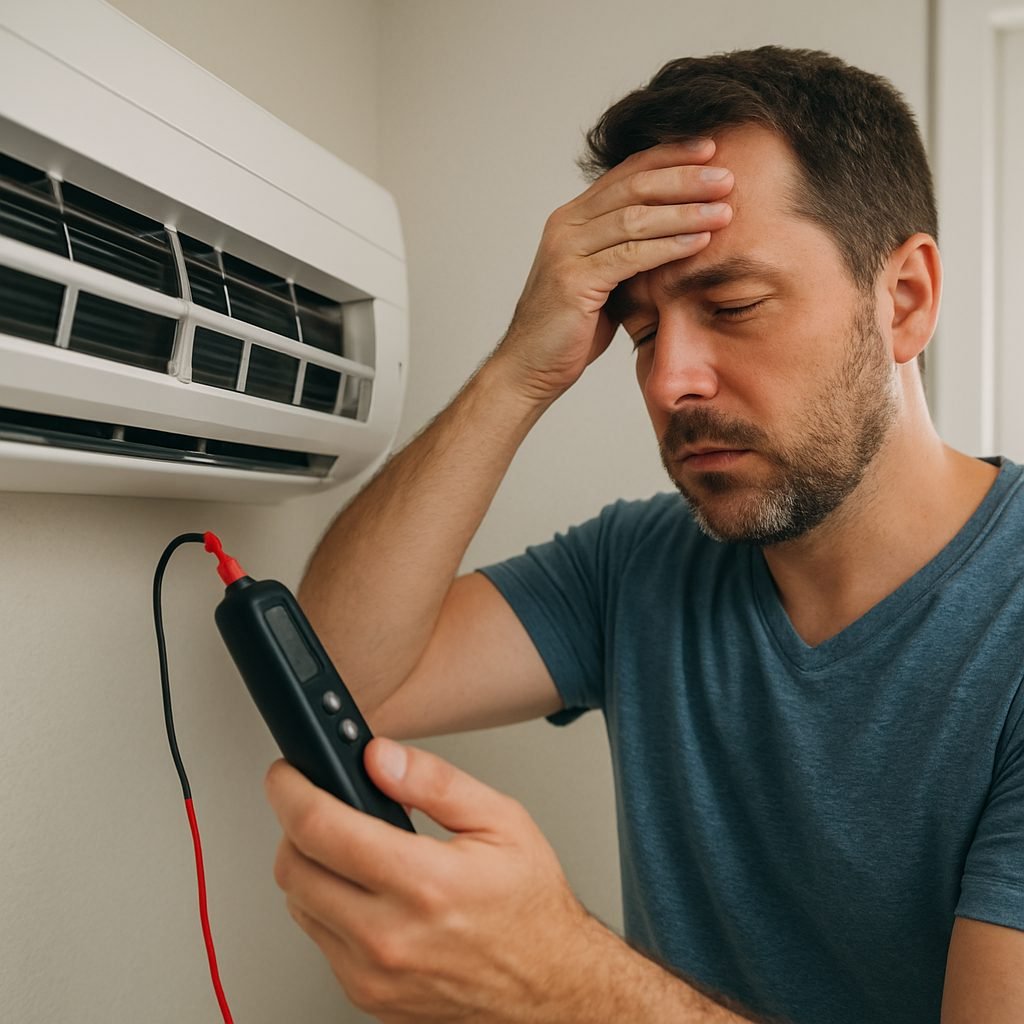
Safety is non-negotiable. When the AC isn’t cooling, the first move is to cut power to the system. Flip the main breaker to OFF, and if your setup has an interior disconnect by the furnace or air handler, switch that off as well. This protects you from live capacitors and energizing contactors. After you confirm power is cut, note any obvious signs of damage before you touch a component—burnt insulation, buzzing sounds, or a tripped breaker signal a more serious issue that should be handled by a licensed pro.
- Power down at the main breaker and interior disconnects before inspecting components
- Set the thermostat to cool mode and verify the temperature setting; if the display is blank or unresponsive, log that as a separate red flag
- Check for obvious electrical issues at the outdoor unit and interior disconnects: look for tripped breakers, melted insulation, buzzing noises, or exposed wiring
If you encounter signs of damage or safety concerns, stop and avoid further checks that involve wiring or energized components. Any indication of burning, buzzing that won’t stop, or a breaker that repeatedly trips means you need a licensed professional to evaluate the electrical side of the system. For a quick refresher on thermostat behavior and safe operation, see energy guidance from trusted sources: cooling/airconditioners target=_blank>Energy Star guidance.
Real-world example: A tenant in Allentown PA experiences a hot afternoon with no cooling. They shut power at the main breaker, confirm the thermostat is set to cool, and check the interior disconnect. The unit outside is running, but the air isn’t refreshing the living space. A quick check reveals a tripped interior disconnect from a recent maintenance visit. After resetting it properly and reseating the thermostat connection, cooling returns. This shows how a simple power and thermostat check can reveal a nontechnical fault that disguises itself as a bigger problem.
Takeaway: Start with power, thermostat, and obvious electrical signs, then document what you observe before escalating. If basic safety checks pass but cooling still fails, you’re ready to brief a local pro with precise symptoms and a clear history, which speeds up the diagnostic process and reduces unnecessary visits.
2. Quick Maintenance Checks You Can Do Today
These quick maintenance checks save time and headaches when the house swelters. Start by shutting the system off at the main breaker, then run through three safe checks that cover the most common culprits and can be completed in under 20 minutes. For additional context, you can review Energy.gov guidance on maintaining your air conditioner here.
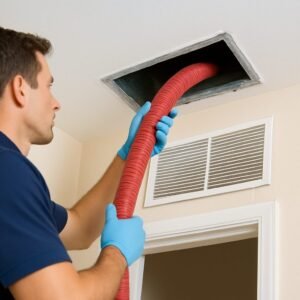
- Replace or clean the air filter to restore airflow and verify air is circulating freely at vents.
- Clear debris around the outdoor condenser and maintain at least 24 inches of clearance to prevent overworking the unit.
- Inspect for ice on the evaporator coil and note any recent service history or maintenance visits.
These steps aim to rule out the low-hanging fruit quickly. They’re safe, inexpensive, and often recover cooling without a technician. If the outdoor unit remains quiet, or you hear buzzing, hissing, or notice warm air after these checks, the problem is likely beyond DIY scope and may require refrigerant handling or compressor service.
Real-world example: In Allentown last summer, a homeowner found the outdoor unit surrounded by grass clippings and debris. After clearing the area and replacing the filter, the upstairs cooling improved and reached comfortable levels within about an hour, avoiding an unnecessary service call that day.
Note: Ice on coils is a red flag that usually means a refrigerant or airflow problem. If you see ice, shut the system down and call a licensed technician rather than continuing inspections.
Also double-check thermostat behavior. A recently upgraded thermostat can misbehave if wiring is loose or incompatible with the furnace or heat pump. Verify the unit is set to cool, that the schedule isn’t bypassing cooling, and that the thermostat is a supported model for your system. External guidance on thermostat compatibility is available at Top signs to upgrade your AC. For general maintenance guidance, see Energy Star's tips cooling/airconditioners target=_blank>here.
Next step: if there’s no improvement after these checks, schedule a diagnostic with Lehigh Valley HVAC Pros for a professional assessment and trusted repair in Allentown PA and surrounding areas. Have the unit’s model, age, last maintenance date, and observed symptoms ready to speed the visit.
3. Common Homeowner Checks That Distinguish Simple Issues from Major Repairs
When the unit is running but rooms stay warm, the issue is usually airflow or control logic, not a seized compressor. Start with checks that separate a quick fix from a major repair, so you’re not paying for a service call you don’t need. The goal is to confirm whether the problem is something you can address safely or if it clearly requires a licensed pro.
- Verify outdoor unit operation: Is the condenser fan turning? Do you hear a steady compressor hum when cooling is requested? If the outdoor unit is silent, or you notice buzzing or flickering at the disconnects, the issue may be a tripped breaker, blown fuse, or a failed contactor—conditions a licensed technician should verify before any further work.
- Assess airflow distribution: Walk the house to find rooms that stay warmer than others and check for blocked supply vents or closed registers, especially in unused spaces. Airflow problems often point to duct leaks, restricted returns, or blocked pathways, which a pro should assess with proper pressure testing and sealing when needed.
- Consider thermostat and wiring changes: Note any recent thermostat upgrades, smart devices, or wiring work that could misread temperatures or mis-coordinate signals. A misconfigured thermostat can masquerade as a cooling drop even when the outdoor unit is fine; testing with a known-good thermostat or temporarily reverting to the old model can reveal the truth. For guidance on when to upgrade, see top signs to upgrade your AC before summer hits.
Concrete example: A two-story home in Allentown reported upstairs rooms that never cooled as well as the main floor. After confirming the outdoor unit was running, the homeowner found a closed register in a bedroom above the living area. Opening that vent restored balanced airflow and improved comfort without a service call—until a duct leak required a later pro inspection.
The practical trade-off is clear: simple airflow adjustments and thermostat checks are low effort and inexpensive, but diagnosing duct leaks, refrigerant issues, or electrical faults requires a licensed HVAC contractor with the right equipment. Pushing past a basic check without professional validation risks missing a hidden problem and can lead to higher costs down the line. If a basic check doesn’t explain the cooling shortfall, treat that as a flag to engage a local expert who can perform a safe, thorough diagnosis.
Key insight: Most homeowner checks that distinguish simple issues from major repairs revolve around airflow and control logic. If you can’t find a definite cause from these checks, treat it as a signal to escalate to a licensed technician for a formal diagnostic.
Next step: if your checks point to a non-obvious cause or you’re unsure about the findings, schedule a diagnostic with Lehigh Valley HVAC Pros for a precise assessment, clear repair options, and transparent pricing in Allentown PA and surrounding areas.
4. When to Call a Pro For AC Not Cooling
Not every cooling hiccup demands a pro, but certain signs warrant escalation to a licensed technician promptly. If basic adjustments don't restore comfort after a typical service window, you should plan a diagnostic rather than chasing quick DIY fixes. This is about avoiding safety risks and costly damage.
- Not cooling after basic checks: Thermostat verified, filter replaced, breakers reset, and the outdoor unit still blows warm air.
- Unusual sounds or smells: buzzing, grinding, or burnt electrical odor from the outdoor unit or disconnects.
- Ice on coils or frosting: Frost on the evaporator coil that persists indicates a problem beyond simple airflow.
- Warm air or frequent cycling in peak heat: System struggles to reach the setpoint or short cycles signaling deeper mechanical trouble.
- Suspected refrigerant leak or electrical fault: Visible staining or hissing on lines, or signs of electrical arcing require professional handling.
Example: In Allentown, a rental home suddenly blew warm air during a 95-degree afternoon. After confirming the thermostat was correct and the filter was fresh, the outdoor unit still produced only warm air. A technician diagnosed a failing capacitor and a small refrigerant leak; replacement and repair restored cooling within a few hours and the property owner added a maintenance plan to prevent repeats.
Emergency or after-hours service can be fast but costly, while weekday appointments may save money but leave you uncomfortable during extreme heat. If the unit is ten years old or older and the problem recurs after basic fixes, you should weigh repair versus replacement with a licensed HVAC professional who can assess efficiency, load, and future reliability.
Takeaway: if basic checks fail to restore comfort and signs persist, plan a professional diagnostic rather than chasing DIY fixes. For trusted local support in Allentown PA, Lehigh Valley HVAC Pros is a practical next step.
5. What Lehigh Valley HVAC Pros Will Do During a Diagnostic Visit
A diagnostic visit by Lehigh Valley HVAC Pros is about a controlled, on-site assessment that narrows the causes quickly and avoids guesswork. You get a clear view of what you can safely DIY and what requires a licensed pro, plus a realistic sense of timing and cost.
What gets checked on site
From arrival, the focus is safety and data gathering. The technician confirms the thermostat signal, verifies that a cooling call is active, and ensures the system is powered off before touching wiring or electrical connections.
- Thermostat and controls check: verify settings, test communication between the control and the outdoor unit, and confirm a true cooling demand.
- Electrical and safety assessment: inspect connections, fuses, capacitors, and contactors for wear or heat damage, noting any immediate hazards.
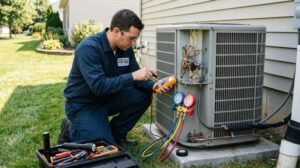
- Outdoor unit and refrigerant lines: inspect for blockages, ice, and insulation issues; refrigerant checks are performed only by licensed technicians with approved equipment, and DIY recharge is not attempted.
- Airflow and ductwork snapshot: check supply vents for obstructions, measure airflow where practical, and identify zones with restricted cooling that point to duct or zoning problems.
- System performance verification: observe run cycles, monitor the temperature split, and confirm compressor engagement and fan operation under safe test conditions.
- Documentation and next steps: deliver a written findings summary, a transparent pricing outline, and a recommended schedule for any required follow-up work.
Use case: In Allentown during a mid summer heat wave, a homeowner’s unit kept running but failed to deliver cold air. The LVHVAC Pros technician conducted an on-site diagnostic, identified a failing outdoor capacitor and a dirty condenser coil, and performed the capacitor replacement plus coil cleaning. Cooling returned to normal within a couple of hours, and the homeowner received a clear report with the exact parts and labor needed for the next steps.
Takeaway: a thorough diagnostic visit yields a precise scope and faster restoration. After the findings, you can decide to tackle safe, simple steps yourself or move forward with licensed repairs, armed with a clear plan and transparent pricing.