Indoor Air Quality in Lehigh Valley Homes: The Complete Guide to Cleaner, Healthier Air
In the Lehigh Valley, the air inside your home can affect health and comfort as much as the weather outside. This complete guide explains what drives indoor air quality in our climate, how to assess it, and practical steps you can take—from filtration upgrades and humidity control to smarter ventilation—before calling a local pro. You’ll learn how to spot common pollutants, balance energy use with fresh air exchange, and know when radon, mold, or other indicators require professional help from Lehigh Valley HVAC Pros.
1. What Affects Indoor Air Quality in Lehigh Valley Homes
In Lehigh Valley homes, indoor air quality is shaped by a mix of inside-the-house pollutants and the climate outside. Tight, energy-minded homes can trap contaminants unless there is intentional ventilation. The big levers are humidity control, filtration, and how your HVAC system runs on a daily basis.
Common regional pollutants include dust and particulate matter, mold spores driven by humidity swings, and VOCs from cleaners and scented products. PA soils bring a real risk of radon, which seeps in where foundations are imperfect. Humidity fluctuations—dry winters and damp summers—drive mold growth and dust mite visibility, while outdoor air exchange pushes in pollen and pollutants that interact with indoor levels.
- Dust and particulates from everyday activities and nearby traffic or construction.
- Mold spores amplified by excess humidity or inadequate exhaust in high-moisture spaces.
- VOCs from cleaners, paints, and off-gassing building materials.
- Radon risk specific to Pennsylvania homes, varying by foundation and soil.
- Indoor humidity effects on dust mites and irritation, especially in winter when ventilation is reduced.
Seasonal changes drive IAQ needs. During the heating season, dry air lowers perceived comfort and can irritate the throat and nasal passages, while restricted ventilation can let odors and pollutants accumulate. In summer, higher humidity fuels mold growth and increases air-conditioning load. Your IAQ plan must consider these shifts and adjust ventilation and filtration accordingly.
The HVAC system is a central IAQ control point. Upgrading filtration to a higher MERV rating improves particulate capture, but it can raise static pressure and reduce airflow if the system isn’t sized for the new filter. Regular maintenance—coil cleaning, duct sealing, and blower checks—multiplies the effect of any filtration upgrade and improves energy efficiency at the same time. See the broader guidance on IAQ and filtration standards from reputable sources: EPA IAQ and ASHRAE IAQ resources.
A practical trade-off often shows up in older homes: you want better filtration, but you also need adequate ventilation without blowing up energy costs. In many cases, pairing a properly sized filtration upgrade with a controlled ventilation approach (balanced or intermittent fresh-air exchange) yields the best balance between clean air and energy use.
Concrete Example: A Bethlehem family with seasonal allergies tightened the house for winter and noticed dust buildup and itchiness. They added a MERV 11 filter and introduced a portable HEPA purifier in the living room. Within two weeks, visible dust declined and symptoms improved, but CO2 levels stayed higher when the family cooked or burned candles, prompting them to run the furnace fan on a schedule to improve fresh-air exchange while keeping humidity in check.
Takeaway: Start with a baseline assessment focused on humidity levels and radon risk, then layer in filtration and ventilation upgrades as real-world conditions and budget allow. For localized guidance, consult local pros who understand how climate and construction styles affect Lehigh Valley homes.
2. Quick Do-It-Yourself IAQ Assessment for Your Home
Begin with a quick two minute screen you can run this weekend. This practical check helps you spot the most common indoor air quality issues in a Lehigh Valley home and it aligns with our heating season and humid summers.
- Step 1: Visual signs and odors to check: condensation on windows, musty smells, damp spots, or visible mold around windows, basements, or bathrooms. If you see dampness or mold, fix moisture sources quickly and consider using a dehumidifier or ventilation to reduce humidity.
- Step 2: Humidity and radon readiness: use a hygrometer to measure relative humidity and aim for 30–50% in most seasons. Place a basic radon test kit according to the instructions to screen for risk; avoid placing detectors in kitchens, bathrooms, or near vents.
- Step 3: Filtration and ventilation check: inspect furnace or air handler filters and replace if dirty; choose a filter in the standard residential size and a minimum MERV 8 rating, with MERV 11–13 for better performance if the system allows. Verify that kitchen and bath exhaust fans vent outdoors and run during or after use.
- Step 4: Quick interpretation and escalation: compare humidity to target ranges, note odors, and check filters. If RH remains above 60 percent for several days, or if a radon test indicates elevated results or if you notice persistent odors, escalate to a pro for a formal evaluation.
Example: In a Bethlehem townhome during late winter, a family used a hygrometer to monitor RH. After cooking and showering, RH rose to around 62 percent. They opened the kitchen and bathroom exhausts for 15 minutes after use and kept a fan running overnight, which brought RH down to the mid 40s within a day.
Radon testing requires proper duration and placement; a single short reading can mislead. If risk is suspected, pair a short term test with a longer term test and plan mitigation if the average exceeds 4 pCi/L per EPA guidance.
Next step: if the screen flags issues or you want a deeper assessment, plan a professional IAQ evaluation with Lehigh Valley HVAC Pros to build a budget friendly improvement path. See Lehigh Valley HVAC Pros IAQ evaluation.
3. Filtration and Air Cleaning Solutions for Your Home
Filtration is a lever you can pull without ripping out walls, but it must match your system. For most Lehigh Valley homes, pursue filters that reduce particulate matter without choking airflow, then layer in portable or whole‑house cleaners for additional help. In practice, the goal is to lower dust, pollen, and VOCs while keeping your furnace or air handler operating as designed. See how this fits with your current setup and budget, and don’t underestimate the value of better filtration as a foundation.
Understand filtration: MERV ratings tell you what size particles a filter captures. In residential equipment built for typical airflow, start with MERV 8 to 11; higher MERV can trap more but may reduce airflow if the blower is not sized for the pressure drop. Always verify filter size and compatibility before upgrading, and confirm that any change won’t void warranties or disrupt humidity control.
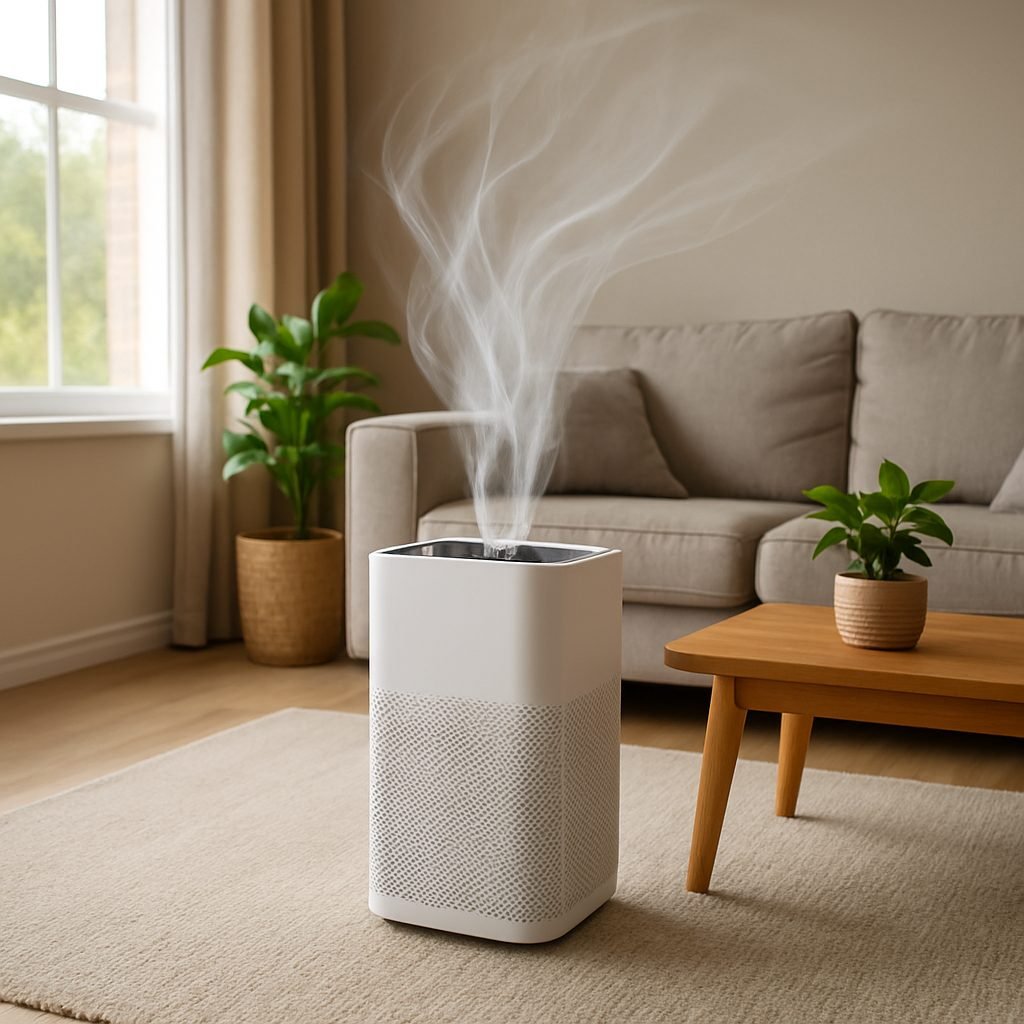
- Portable HEPA purifiers: Coway AP‑1512HH Mighty, Levoit Core 3000, Honeywell HPA300 provide targeted cleanup in living spaces where occupants spend time.**
- Whole‑house filtration upgrades through an HVAC pro: Look at higher efficiency filters and proper housing to avoid restricting airflow; brands commonly installed include Aprilaire, Honeywell, Lennox.**
- Filtration basics you should verify: ensure filter sizes match existing slots (common sizes include 20x25x1 or 16x25x1) and that installation is straightforward without bypass leaks.
Pair filtration with humidity and air management when appropriate. Humidity control helps suppress mold and dust mites, while UV‑C solutions can reduce microbial loads in ducts or on surfaces but do not replace filtration for particulates. If you consider UV, choose ozone‑free designs and plan for regular maintenance to keep effectiveness without introducing odors or byproducts.
Concrete Example: In an 1,800 sq ft Lehigh Valley home with a shedding dog, the homeowner upgraded the furnace filter to MERV 11 and placed a Coway AP‑1512HH Mighty in the living room. Over four weeks, dust on surfaces dropped and allergy symptoms diminished, illustrating how filtration plus strategic placement of a purifier can surpass a single upgrade.
Key takeaway: Filtration choices must align with your HVAC design and space. Pushing for very high MERV without confirming blower capacity and duct health can hurt comfort and energy efficiency.
Plan your filtration path with a practical, localized view: start with a filter upgrade that your HVAC can sustain, then add portable purifiers or ducted upgrades as needed and as budget allows. For deeper local insight and service options, explore your options with local pros and reference guides such as 10 Surprising Benefits of a Whole‑House Air Purifier and our services page here.
4. Humidity, Ventilation, and Climate Considerations in Our Region
Humidity and ventilation are not afterthoughts in Lehigh Valley homes; they are the controlling factors for indoor air quality during our heating-dominated winters and humid summers. If RH strays outside the 30-50% range, you'll see more mold risk, dust mite activity, and irritated airways even with clean filters. The region's climate makes balanced ventilation essential: you need to move stale indoor air without wasting energy, and you need moisture control that doesn't over-dry or foster condensation on cold surfaces.
Seasonal considerations in Lehigh Valley
Winter brings dry outdoor air and high indoor humidity from cooking and baths can cause condensation on windows and surfaces. In summer, humidity climbs with outdoor air, challenging comfort and IAQ. A balanced approach—combining humidity control with mechanical ventilation—prevents pollutant buildup while keeping energy use reasonable. In practice, avoid relying on window opening year-round; it's too variable and energy-inefficient in our climate. Instead, pair a controlled ventilation strategy with humidity management.
Actionable strategies for managing humidity and ventilation in our homes:
- Monitor and maintain RH with a hygrometer: Target 30-50% RH; place one in a living area or near bedrooms. See EPA guidance on humidity control for practical targets and signs of misbalanced moisture.
- Upgrade whole-house humidity and targeted air cleaning: A whole-house humidifier provides uniform moisture in winter and works best when paired with a humidistat. If you want deeper detail, see Ultimate guide to how a whole-house humidifier can transform your home comfort.
- Fortify ventilation to balance exchange and energy use: Use exhaust fans for moisture control in kitchens and baths; consider a balanced system such as an energy recovery ventilator (ERV) or heat recovery ventilator (HRV) when replacing or upgrading equipment. Learn about our services for setup options.
- Address moisture sources and drainage: Fix leaks, seal gaps around windows, ensure bathroom vents terminate outside, and keep gutters clear to prevent indoor moisture from external sources.
- Be mindful of seasonal energy costs: Ventilation and humidity control raise energy needs; plan for a balanced system to minimize waste and budget for equipment that recovers energy.
Concrete example: In a 1,800-square-foot Allentown ranch, residents noticed persistent window condensation and a damp basement during winter storms. After adding a whole-house humidifier connected to the furnace and upgrading bath exhausts with a balanced ERV, the living areas stayed around 42% RH, and the basement moisture level improved within a month.
One practical caveat: increasing ventilation without balancing humidity can wash out heat in winter or invite moisture in summer. The right move is a balanced system with an ERV that recovers energy while exchanging air; sizing and control matter more than the brand.
Next consideration: schedule a local IAQ assessment to tailor humidity and ventilation setup to your home, climate, and energy goals, with a plan that fits your budget.
5. Radon and Local IAQ Considerations in Pennsylvania
In Pennsylvania, radon is a real IAQ factor that often flies under the radar in home maintenance. Long-term exposure to elevated radon levels is a leading cause of preventable lung cancer, and Lehigh Valley soils can produce higher baseline risk in certain neighborhoods. The practical takeaway is simple: know your risk, test, and act when needed. Treat radon like mold or other indoor pollutants—check your home, test regularly, and address concerns promptly. Radon levels shift with season and construction, so a single number rarely tells the full story.
Testing options are straightforward. Start with a reputable short-term kit from First Alert or Airthings, then run a longer-term test if the short-term result is elevated. Use both a passive long-term monitor and an active short-term test when possible to avoid seasonal bias. Place tests on the lowest lived-in level away from kitchens and windows; follow the kit instructions. In practice, mitigation decisions align with the EPA guideline of a four pCi/L trigger, but homeowners often factor how long they’ll live in the home and the burden of ongoing monitoring. For credible guidance, see EPA IAQ guidance.
Mitigation options depend on home layout, but the most common residential approach is a sub-slab depressurization system paired with sealing of obvious entry routes. A local pro typically installs a suction pipe from the foundation to the exterior and uses a small fan to pull radon away from living spaces. When designed well, these systems run with minimal energy impact, but they introduce a maintenance element and upfront cost. In the Lehigh Valley, typical installed costs can range into the low thousands, varying with soil and foundation, yet the long-term risk reduction is substantial.
Concrete example: In a Bethlehem home, winter testing showed 6 pCi/L. A licensed installer added a sub-slab mitigation, and a follow-up test several weeks later dropped to around 1.5–2 pCi/L. The improvement was noticeable, and the system operated quietly, with little effect on heating efficiency once running. This demonstrates how effective proper mitigation can be when matched to the home’s geology and HVAC configuration.
Other local considerations matter. Radon levels can be higher when homes are sealed for energy efficiency during winter, so balance with fresh air strategies and ventilation planning. Outdoor air exchange, soil gas entry points, and concurrent humidity control all interact with radon mitigation, so coordinate with an IAQ plan that includes testing, sealing, and, if needed, ventilation adjustments. When in doubt, bring in a local pro to review your whole-house approach alongside filter upgrades and duct sealing. Leverage local expertise at our services page.
6. Partnering with a Local Pro: What to Expect from an IAQ Evaluation with Lehigh Valley HVAC Pros
Partnering with a local pro isn't guesswork. A typical IAQ evaluation with Lehigh Valley HVAC Pros follows a practical, staged workflow: initial intake to understand your concerns, an on-site assessment, targeted measurements, a written recommendations plan, and a staged implementation with a maintenance plan.
- Diagnostic assessment and baseline IAQ measurements: simple indicators like humidity, CO2, PM2.5 where available, and documentation of known pollution sources.
- Filtration upgrades and air cleaners: upgrade furnace/air handler filters to a higher MERV (8–13) and deploy portable HEPA cleaners for rooms with symptoms.
- Humidity control integration: whole-house humidifier or dehumidifier and smart controls integrated with the HVAC to stabilize moisture.
- Duct sealing and system balancing: fix leaks and adjust airflow to improve distribution and reduce contaminants.
- Ventilation optimization: manage controlled ventilation and exhaust strategies to improve air exchange without wasting energy.
- UV-based solutions (optional): consider only when recommended, with proper maintenance and evidence-based use.
During a visit, the technician inspects equipment, tests airflow at returns and supply vents, inventories filters and maintenance history, and may perform targeted spot checks. You'll get a written plan with prioritized actions, rough timelines, and cost ranges, plus notes on warranties and maintenance. For context on typical packages, see our services page.
Concrete Example: A Lehigh Valley family with year-round nasal irritation had a pro visit that identified stale air from undersized returns and dust buildup. After sealing leaks, upgrading to a higher-MERV filter, and placing a portable HEPA purifier in the living room, they noticed clearer air and fewer symptoms within about six weeks.
In practice, expect meaningful trade-offs. Pushing for higher air exchange improves IAQ but can raise heating or cooling loads in winter, so sequencing matters. Radon mitigation and duct work are specialized tasks that deserve dedicated budgeting and timeframe planning to avoid cost overruns.
Next consideration: request a written Scope of Work with phased budget, milestones, and warranty terms before any work starts.